Mountains work like therapy – How nature rebuilds the brain
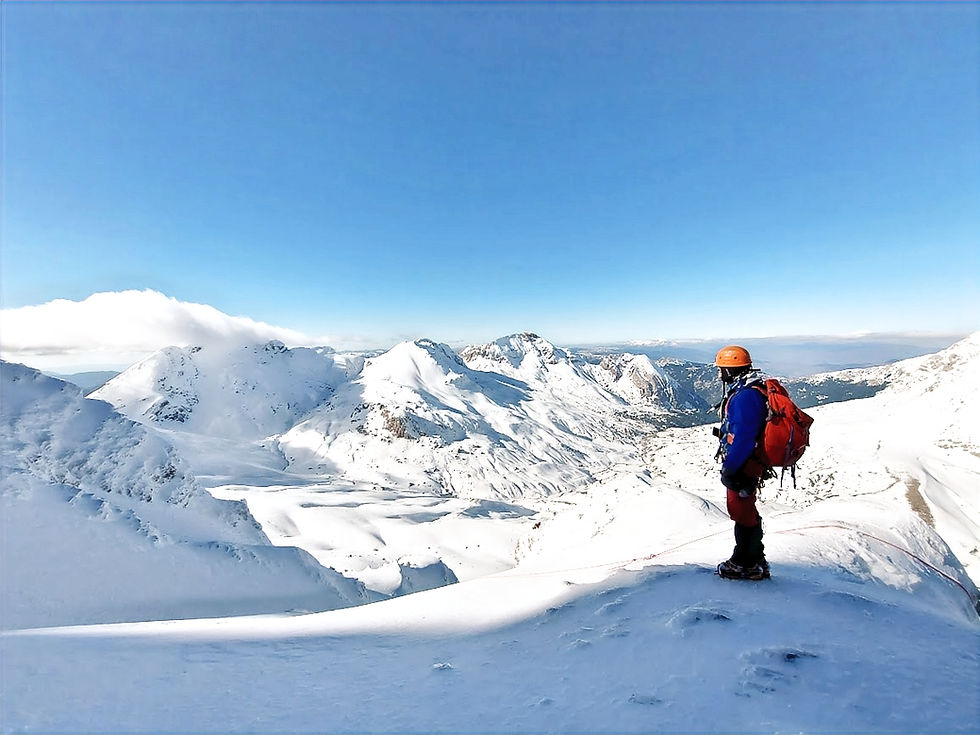
At GrEco Hiking, we have always believed in the transformative power of the mountains. It’s more than a feeling—it’s a measurable, neurological shift. For those dealing with stress, trauma, or seeking a way out of destructive cycles, the path upward isn’t just physical; it’s therapeutic. Here’s what the science says about why mountain sports are more than just a hobby.
The Brain in Survival Mode
After prolonged stress or trauma,the brain can get stuck in a survival state: the amygdala (the fear center) is overactive, creating a constant sense of alarm. Dopamine levels drop, making it hard to feel pleasure or motivation, while cortisol remains high, leading to exhaustion and anxiety. The brain focuses on surviving, not living. This state often creates a deep need for relief—a need that can lead people toward harmful exits like substance abuse or impulsive behavior.
A Controlled Exit for Pain
Research shows that nature-based activity—particularly intense,disciplined pursuits like mountaineering—offers a powerful alternative. Studies indicate that just 12 weeks of consistent, intense outdoor activity can lead to measurable changes:
· Depression symptoms can decrease by up to 47%
· Anxiety can reduce by around 38%
· Sense of purpose can increase by over 50%
This isn’t just “feeling better.” It’s the brain relearning regulation in an environment that demands focus, presence, and gradual achievement.
Why Mountains Work Like Therapy

Mountaineering naturally mirrors clinical behavioral therapy:
· Controlled Exposure: Facing manageable risks in nature teaches fear regulation.
· Earned Achievement: Reaching a summit or a checkpoint builds real, earned self-esteem—not just empty praise.
· Progressive Goals: Each hike or climb builds sustainably on the last, creating lasting motivation.
· Community: A climbing team offers belonging, accountability, and shared purpose.
Neurochemistry of the Climb
Compare two forms of relief:
· Substances: Can spike dopamine by 400%, but lead to a crash, deeper pain, and dependency.
· Mountaineering: Provides a sustained 65% increase in dopamine, paired with discipline, pride, and long-term purpose.
Both affect the same neurotransmitter, but one builds a future while the other breaks it down.
Rebuilding the Nervous System
Mountains Work Like Therapy. Intense physical effort in nature triggers the release of Brain-Derived Neurotrophic Factor(BDNF), a protein that stimulates neural growth and repair. The brain literally begins to rebuild itself. The nervous system learns to carry emotional pain while physically moving forward—transforming distress into useful energy.
The GrEco Hiking Path
We understand that pain doesn’t always need a clinic. Sometimes it needs a summit. Our guided hikes and mountaineering programs are designed to offer more than scenery—they offer a structured, challenging, and supportive environment where the mind can reset, the body can strengthen, and suffering can be redirected into strength.
The mountain doesn’t negotiate. It demands self-care, presence, and perseverance. And in return, it gives back clarity, resilience, and a renewed sense of purpose.
You were never “too much.” You just needed a summit strong enough to hold what you carry inside.
Ready to rewrite your path? Join us on the mountain.


Comments